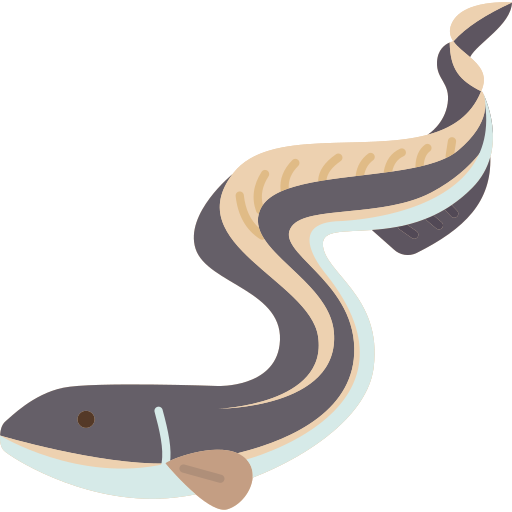
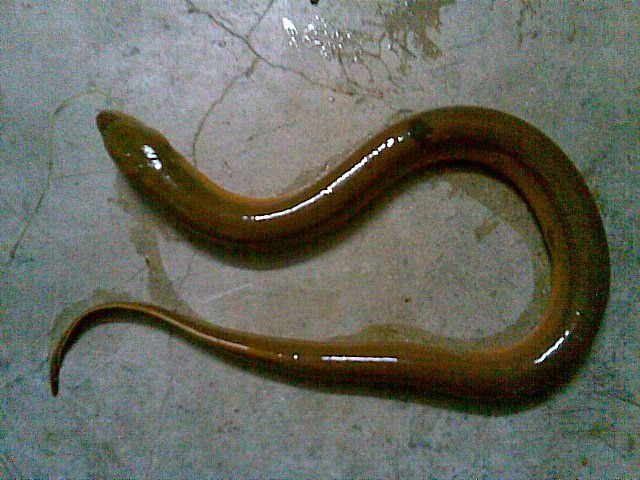
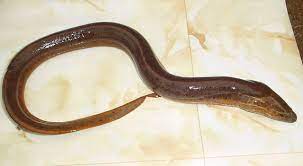
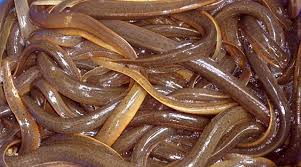
Ell fish, also known as eels, are a group of more than 800 species of elongated fish that belong to the order Anguilliformes. They have no pelvic fins, and many species also lack pectoral fins. They have a wormlike body that can range in length from 5 cm to 4 m, and in weight from 30 g to over 25 kg. They are mostly marine, but some species can live in freshwater or brackish water.
The name “Ell” comes from the Old English word “ǣl”, which means “eel”. The scientific name of the order Anguilliformes comes from the Latin word “anguilla”, which also means “eel”. The word “eel” itself is derived from the Proto-Germanic word “*ēlaz”, which is related to the words for “snake” and “awl”.
Ell fish are widely distributed in tropical and temperate regions of the world. They are found in all oceans, except the polar regions, and in many rivers and lakes. Some of the most common and well-known species are the American eel (Anguilla rostrata), the European eel (Anguilla anguilla), the moray eel (family Muraenidae), and the electric eel (Electrophorus electricus).
Ell fish have a remarkable life cycle that involves several stages of development and migration. They hatch from eggs in the open ocean as flat and transparent larvae called leptocephali. They drift in the surface waters for months or years, feeding on plankton, before undergoing metamorphosis into glass eels, which are small and transparent juveniles. They then migrate to their freshwater or marine habitats, where they grow into yellow eels, which are mature adults with a yellowish or brownish coloration. Finally, they migrate back to their spawning grounds in the ocean, where they become silver eels, which have a silvery coloration and enlarged eyes. They reproduce and die after spawning.
Ell fish are an important source of food for many cultures around the world. They are valued for their rich and oily flesh, which can be cooked in various ways, such as grilled, smoked, fried, baked, or stewed. They are also used for making sushi, soup, pie, and other dishes. Some eel products, such as eel sauce and eel oil, are also used for culinary or medicinal purposes.
Ell fish are also available in Bangladesh, where they are known as asian swamp eel fish (Monopterus albus), asian eel fish (Anguilla bengalensis), or Bangladeshi Ell fish (Anguilla bengalensis bengalensis). These species are native to South and Southeast Asia, and can live in freshwater or brackish water. They are mainly found in ponds, rice fields, swamps, streams, and rivers. They feed on fish, frogs, insects, worms, snails, and crustaceans.
Ell fish are not very popular as food in Bangladesh, but they are sometimes eaten by local people who catch them from their natural habitats or culture them in ponds. They are usually cooked with spices or made into curry. Ell fish are also exported from Bangladesh to other countries, such as Japan, China, Taiwan, Hong Kong, Singapore, Malaysia, Thailand, Indonesia, and Vietnam. The main markets for Bangladeshi Ell fish are Japan and China, where they are used for making sushi or soup.
Bangladesh is a country with a long coastline and abundant freshwater resources, which makes it an ideal place for aquaculture. Among the various aquatic products that Bangladesh exports, one of the most lucrative and promising ones is the Asian swamp eel, locally known as “cuchia”. This eel is not a true eel, but a type of fish that can breathe air and survive in muddy waters. It is highly valued in China, where it is considered a delicacy and a source of protein.
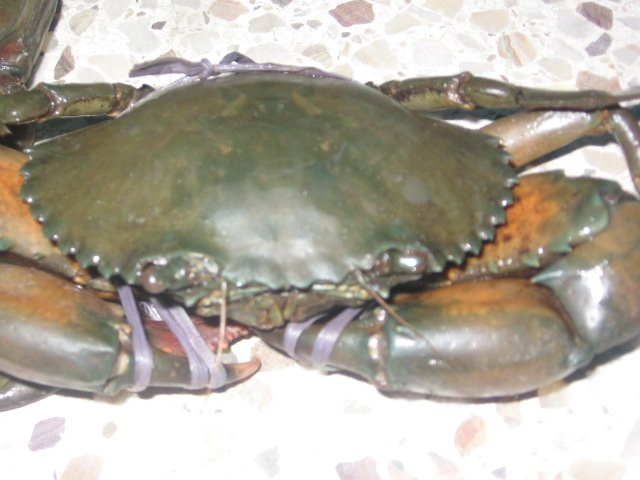
According to the Bangladesh Crab Exporters’ Association, China has a huge demand for Asian swamp eels, but Bangladesh can only supply less than 10 percent of it. A week’s supply can account for eight tons of exports. An increase in eel production would generate significant foreign earnings for Bangladesh. The eels are mainly collected from the coastal areas of Khulna, Barisal and Chittagong, where they are abundant in the wetlands and rice fields.
However, there are some challenges and risks involved in the eel export business. One of them is the quality control and certification required by the Chinese authorities. Due to the COVID-19 pandemic, China has updated its list of sourcing countries and imposed stricter regulations on the import of aquatic products. Only five Bangladeshi companies have been enlisted by the General Administration of Customs of China (GACC) to do business with their Chinese partners. The exporters have to follow the guidelines from the GACC and ensure that the eels are free from any diseases or contaminants.
Another challenge is the competition from other countries that also produce and export Asian swamp eels, such as Indonesia, Thailand and Vietnam. These countries may have lower production costs and higher quality standards than Bangladesh. Therefore, Bangladesh needs to improve its eel farming and processing techniques, as well as its marketing and branding strategies, to gain an edge over its rivals.
The export of Asian swamp eels is a lucrative opportunity for Bangladesh, but it also requires careful planning and management. By overcoming the challenges and risks, Bangladesh can tap into the huge potential of this niche market and boost its economy.